
Key Takeaways
- Cable transits are essential for protecting fiber networks. They maintain fire, water, gas, and pressure integrity while allowing large volumes of cabling to pass safely through structural openings.
- Different transit types serve different environments. Modular, compression-style, round sleeves, multi-cable glands, and fire-rated or EMI-shielded systems each offer unique advantages depending on the facility’s requirements.
- Choosing the right cable transit reduces long-term risk. Proper selection supports reliability, simplifies future expansions, and prevents outages caused by water intrusion, fire spread, or mechanical damage.
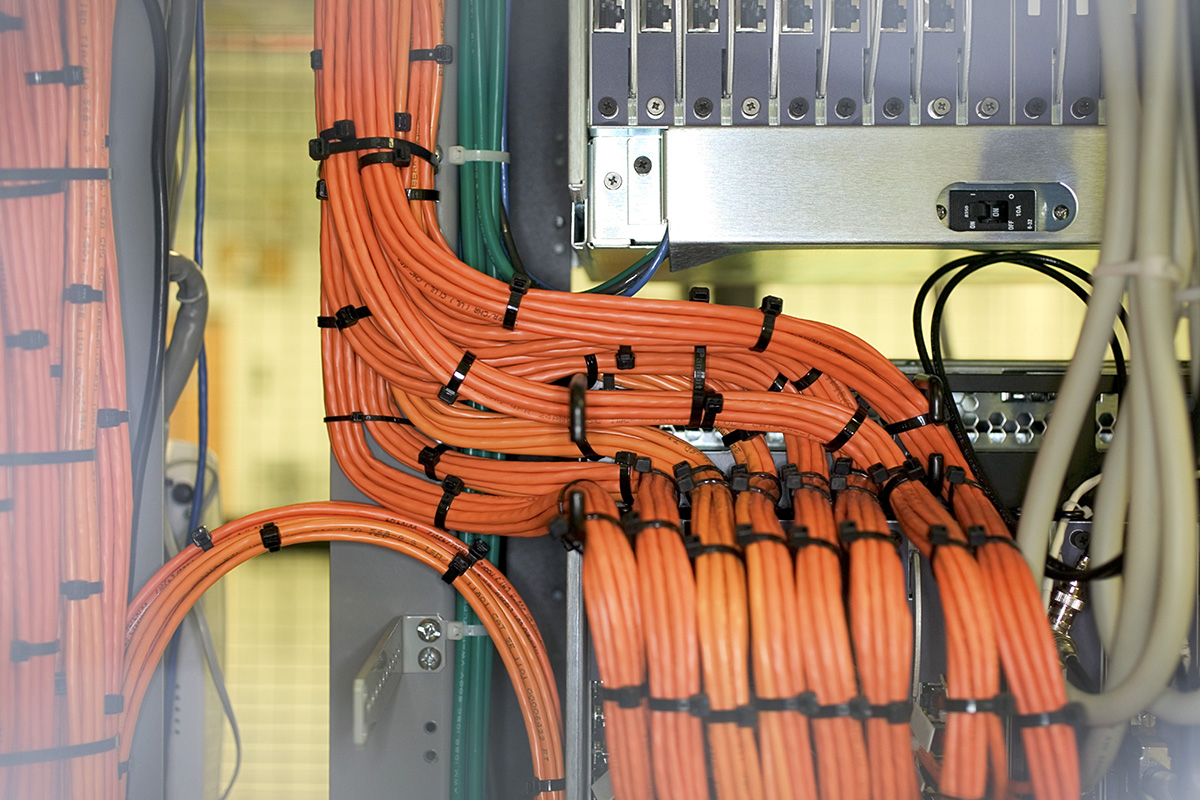
Modern infrastructure carries more fiber, power, and low-voltage cabling than ever, and as networks grow, one challenge remains constant: safely routing and protecting large cable bundles through walls, floors, and enclosures without weakening fire, water, or pressure barriers.
Cable transits solve this problem by creating sealed pathways that maintain safety, performance, and compliance. For data centers, telecom hubs, utilities, transportation systems, and industrial facilities across New England, selecting the right cable transit directly affects long-term reliability.
At Phoenix Communications, we’ve spent decades building and managing some of the region’s most demanding fiber networks. We know how crucial proper cable routing and protection is to system performance. Here’s a streamlined look at the main types of cable transits, when they’re used, and why they matter.
1. Modular Cable Transits
Modular cable transits are the industry’s most widely used option, especially for projects that require fire, water, and gas protection. These systems use frames combined with modular rubber blocks sized to each cable’s diameter. Once assembled and compressed, the system forms a tight, certified seal.
They are commonly used in:
• Telecom shelters and backbone facilities
• Data centers and server rooms
• Marine and offshore environments
• Public safety and utility infrastructure
The biggest advantage is flexibility. As networks evolve, modular systems allow new cables to be added or old ones removed without rebuilding the penetration.
2. Compression-Style Cable Transits
Compression transits use mechanically tightened wedges or plates to expand sealing blocks inside a frame. As the hardware is tightened, the blocks expand to lock cables in place and seal the opening.
These systems offer:
- High mechanical strength
- Excellent fire and water sealing
- Easy re-entry for maintenance or upgrades
They are a popular choice in locations that require both durability and quick installation.
3. Multi-Cable Glands
Multi-cable glands are a compact option when environmental sealing is the primary goal. These glands allow multiple cables to pass through a single opening while maintaining ingress protection against dust and moisture.
They are typically used in:
- Cabinets, junction boxes, and outdoor enclosures
- Tight mechanical spaces
- Applications where fire sealing is not required
Although smaller in scale compared to modular systems, they provide a reliable seal where space is limited.
4. Elastomer Sleeves and Round Cable Transits
These sleeves are circular sealing units made from high-quality rubber or elastomer materials. They’re commonly installed in pre-drilled round openings and can support one or several cables.
Their benefits include:
- Fast installation
- Long-lasting water and gas resistance
- Compatibility with a wide range of cable diameters
Round cable transits are often used in utility vaults, concrete walls, and manholes, where maintaining a watertight barrier is critical.
5. Fire-Rated Cable Transits
Certain facilities require transits that can maintain fire integrity for a certified period. Fire-rated systems prevent the spread of flame, smoke, and heat through penetrations, helping protect people, equipment, and emergency pathways.
These are essential in:
- Data centers and control rooms
- Hospitals and public buildings
- Marine and offshore structures
- Telecom hubs and mission-critical facilities
Fire safety codes increasingly require certified fire-stop systems in any environment where dense cabling passes between rooms or floors.
6. EMC/EMI-Shielded Cable Transits
Electromagnetic interference can degrade communications, interrupt equipment, and compromise data integrity. Shielded cable transits create a conductive barrier around the cables, preventing electromagnetic disturbances from entering or escaping the protected space.
Industries that rely on these include:
- Defense
- Rail and transportation
- Utility and power generation
- High-sensitivity telecom environments
For organizations running complex fiber networks, proper shielding prevents performance loss and protects mission-critical systems.
Why Choosing the Right Cable Transit Matters
Cable transits are not simply accessories or hardware. They are an integral part of maintaining network reliability, operational safety, and regulatory compliance. The right system can:
- Protect expensive fiber assets
- Improve long-term cable management
- Reduce fire and water risks
- Increase serviceability and upgrade flexibility
- Extend the lifespan of the entire network pathway
Poorly sealed openings can allow moisture, rodents, fire, or contamination to enter a facility—each of which can lead to outages or costly repairs. This is one of the many reasons organizations across New England trust Phoenix Communications to design, install, and maintain secure and future-ready fiber infrastructure.
Partner With Phoenix Communications for Infrastructure That Lasts
For decades, our focus on quality and safety has shaped every project we take on. Whether building new fiber routes, managing conduit systems, or maintaining multi-site networks, we prioritize long-term reliability—including choosing and installing the right cable transits.
If you’re upgrading, expanding, or solving structural cable issues, our team can guide you to the best solution. Contact Phoenix Communications today to discuss your project and keep your network protected.
Frequently Asked Questions (FAQs)
1. What exactly is cable transit?
A cable transit is a sealed opening that allows cables to pass through walls, floors, or bulkheads while maintaining essential safety barriers such as fire, water, and pressure resistance.
2. Why are cable transits important in fiber-dense facilities?
As fiber networks expand, densely packed cables increase vulnerability to moisture, heat, and structural issues. Cable transits protect these pathways and help ensure long-term network reliability.
3. Can cable transits be modified as networks grow?
Yes. Many systems—especially modular and compression-style transits—allow cables to be added, removed, or reorganized without replacing the entire assembly.
4. How do I know which cable transit type is right for my facility?
The right choice depends on factors like fire code requirements, environmental exposure, available space, cable density, and future scalability. Phoenix Communications can assess your site and recommend the most reliable, compliant solution.


